
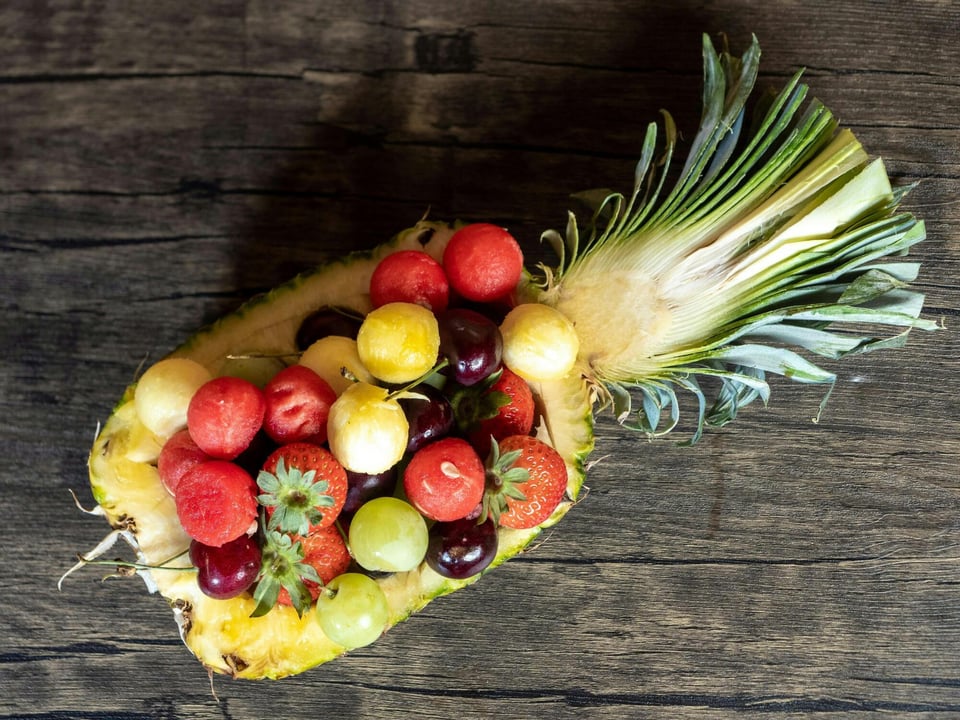
Most fruits are high in fiber, but there are some you should definitely add to your diet, like blackberries, raspberries, apples, pears, avocados, and oranges.
Fiber plays a powerful role in healthy aging, supporting not only digestion but also energy levels, blood sugar balance, and even brain function. While fiber is often associated with whole grains and vegetables, fruits are one of the most enjoyable and accessible ways to increase daily fiber intake. For aging adults in Sparta, IL, choosing high-fiber fruits can help maintain digestive comfort while also supporting focus, memory, and long-term cognitive health.
Understanding which fruits offer the most fiber and how they benefit both the gut and the brain can help you make smarter, more satisfying healthy aging nutrition choices.
Why Fiber Matters for Digestive and Brain Health
About 20% of Americans have occasional constipation, that is, bowel movements less than 3 times a week, according to WebMD.com.
Fiber supports digestion by adding bulk to stool, promoting regular bowel movements, and feeding beneficial gut bacteria. A healthy gut environment reduces inflammation and supports nutrient absorption-both essential for overall wellness.
What's often overlooked is the gut-brain connection. The gut and brain communicate constantly through nerves, hormones, and immune pathways. Fiber fuels beneficial gut bacteria, which produce short-chain fatty acids that may support brain health, mood regulation, and mental clarity.
For aging adults in assisted living communities, adequate fiber intake can help:
- Prevent constipation and digestive discomfort
- Stabilize blood sugar and energy levels
- Support focus and memory
- Reduce inflammation linked to cognitive decline
How Fiber in Fruit Supports Brain Function
The brain relies heavily on steady glucose delivery. Fiber slows the digestion of natural fruit sugars, preventing rapid spikes and crashes that can lead to brain fog and fatigue. Many fiber-rich fruits also contain antioxidants and polyphenols, which protect brain cells from oxidative stress and support healthy blood flow.
When fruit fiber and antioxidants work together, they create a powerful foundation for cognitive resilience.
Top High-Fiber Fruits for Digestive and Brain Health
When you are getting ready to go grocery shopping, there are many different fruits to add to your cart. Here are some of them to keep in mind:
1. Raspberries
Raspberries are one of the highest-fiber fruits available, offering about 8 grams of fiber per cup.
Benefits:
- Supports gut bacteria and regular digestion
- Rich in antioxidants that protect brain cells
- Low in sugar compared to many fruits
Raspberries are easy to add to yogurt, oatmeal, or smoothies.
2. Pears (With Skin)
Pears provide about 5-6 grams of fiber per medium fruit, especially when eaten with the skin.
Benefits:
- Contains soluble and insoluble fiber for digestive balance
- Helps regulate blood sugar
- Supports sustained energy and focus
Pears are gentle on digestion and ideal for sensitive stomachs.
3. Apples (With Skin)
Apples contain pectin, a type of soluble fiber that supports senior gut health.
Benefits:
- Promotes regular bowel movements
- Helps feed beneficial gut bacteria
- Supports steady energy for the brain
A medium apple provides around 4 grams of fiber.
4. Avocados
Though often considered a vegetable, avocados are technically a fruit and a fiber powerhouse.
Benefits:
- About 10 grams of fiber per cup
- Rich in healthy fats that support brain structure
- Helps reduce inflammation
Avocados are especially helpful for pairing fiber with brain-supporting fats.
5. Blackberries
Blackberries offer around 7-8 grams of fiber per cup.
Benefits:
- High antioxidant content supports cognitive protection
- Improves digestive regularity
- Supports immune and brain health
They're easy to snack on or blend into smoothies.
6. Oranges
Oranges provide both soluble fiber and hydration.
Benefits:
- Supports gut motility
- Vitamin C protects brain cells from oxidative damage
- Helps maintain focus and immune health
One medium orange contains about 3-4 grams of fiber.
7. Bananas (Slightly Green)
Slightly green bananas contain resistant starch, a type of fiber that feeds beneficial gut bacteria.
Benefits:
- Supports gut-brain communication
- Helps regulate brain and digestion
- Provides steady energy
As bananas ripen, fiber decreases and sugar increases, so timing matters.
Fiber, Gut Health, and Cognitive Aging
A growing body of research highlights the role of gut health in cognitive aging. Fiber-rich diets are associated with:
- Reduced inflammation
- Improved insulin sensitivity
- Better mental clarity
By supporting a diverse gut microbiome, high-fiber fruits may help protect against age-related cognitive decline and support emotional well-being.
How Much Fiber Should Aging Adults Get?
General recommendations suggest:
- Women over 50: Around 21 grams per day
- Men over 50: Around 30 grams per day
Most adults fall short of these goals. Including 2-3 servings of high-fiber fruit daily can significantly improve intake.
Tips for Adding High-Fiber Fruits Comfortably
To avoid bloating or digestive discomfort:
- Increase fiber gradually
- Drink plenty of water
- Spread fruit intake throughout the day
- Pair fruit with protein or healthy fats
- Add fiber-rich snacks to your diet
Listening to your body ensures fiber remains beneficial, not uncomfortable.
Frequently Asked Questions
Why Are High-Fiber Fruits Important For Digestive Health?
High-fiber fruits support regular bowel movements, improve stool consistency, and feed beneficial gut bacteria that promote overall digestive balance.
Can Fiber From Fruit Support Brain Health?
Yes. Fiber helps stabilize blood sugar and supports gut bacteria that influence brain function, mood, and cognitive clarity through the gut-brain connection.
Which Fruit Has The Most Fiber?
Raspberries, blackberries, and avocados are among the highest-fiber fruits, providing 7-10 grams of fiber per serving.
Is Fruit Sugar Bad For Brain Health?
When consumed with fiber, natural fruit sugars are absorbed slowly and provide steady energy for the brain. Fiber prevents rapid blood sugar spikes.
Can Too Much Fruit Cause Digestive Issues?
Eating large amounts too quickly may cause bloating. Gradual intake, hydration, and balanced meals help prevent discomfort.
Are Fruit Juices A Good Fiber Source?
No. Most juices lack fiber. Whole fruits are always a better choice for digestive and brain benefits.
When Is The Best Time To Eat High-Fiber Fruits?
Morning and mid-afternoon are ideal times. Fiber-rich fruits help maintain energy, focus, and digestion throughout the day.
Fruit for Older Adults - Add It To Your Diet
There's no need to suffer from constipation anymore. Add high-fiber fruits to your diet starting today and start feeling the benefits.
At Addington Place of Sparta, our chefs are always thinking of new ways to add nutrients like fiber, polyphenols, and antioxidants to meals, so our residents can stay healthy and active for longer. The meals are healthy, delicious, and nutritious.
Schedule a tour to taste the goodness for yourself.